Artificial intelligence is no longer theoretical in aviation- it is becoming core infrastructure. The global AI aviation market is projected to grow from $7.45 billion in 2025 to nearly $27 billion by 2032, reflecting an annual growth rate near 20%. The best time to start adopting AI is now, and preparation is what turns adoption into impact.
Evidence of AI’s Impact in Airport Operations
The impact of AI in airport operations is already visible in day-to-day performance. When integrated into existing workflows, AI helps teams anticipate disruptions, improve ground efficiency, and make faster, more informed decisions across complex operating environments.
In practice, this has translated into measurable improvements such as reduced delays, more efficient taxi and routing decisions that lower fuel use and associated CO₂ emissions, and fewer maintenance disruptions.
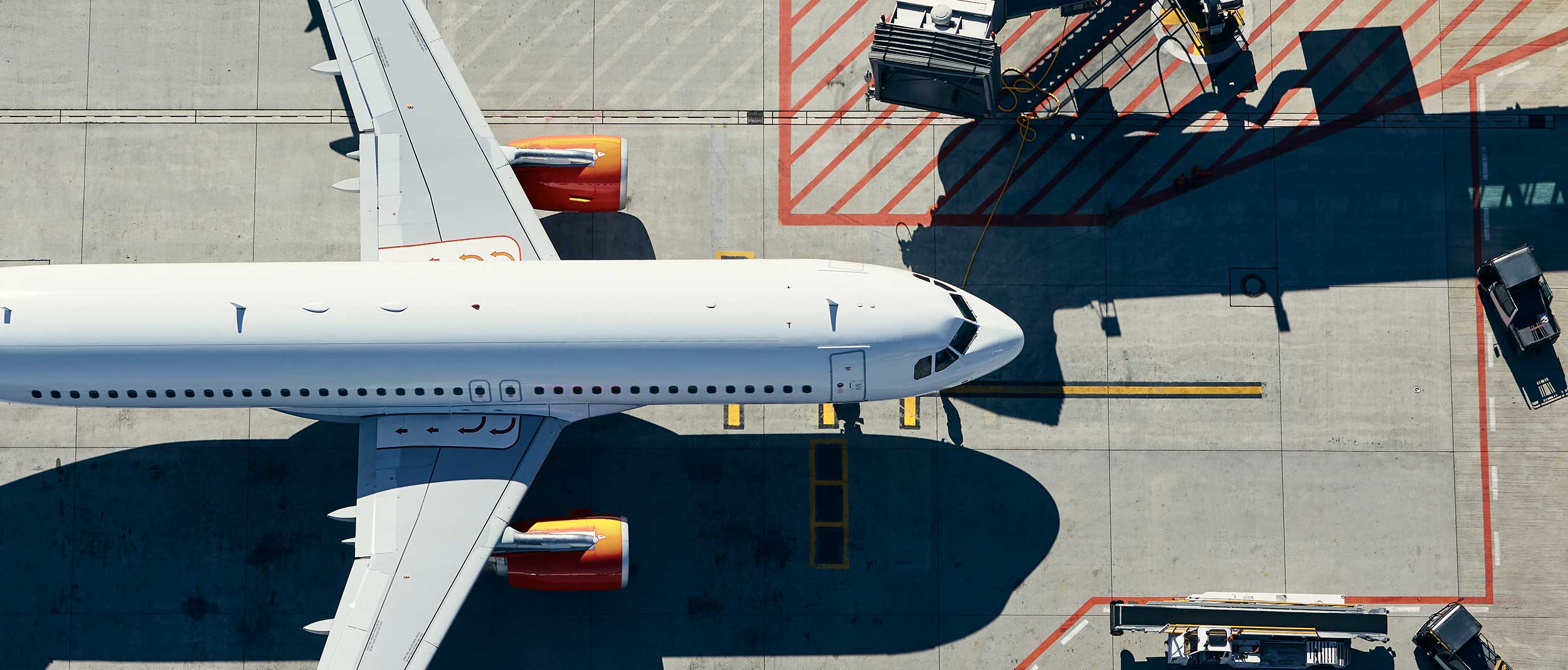
In a five-month study with a client airline, Synaptic Aviation’s AI system achieved a 21% average reduction in taxi-in time, helping reduce ground time and improve schedule reliability. This study is one example among many real-world deployments demonstrating the measurable impact AI can deliver when embedded into daily airport and airline operations.
The Adoption Gap Isn’t About Technology
Despite clear upside, organizations often struggle to scale AI. The barrier is not capability; it is integration. Progress depends on aligning AI to real operational needs by:
- identifying the operational problem to solve
- assigning ownership for insights and action
- defining measurable success tied to business outcomes
This ensures AI supports decision-making rather than creating unused dashboards or disconnected data streams.
People and Platforms Enable AI at Scale
The key factor in adoption is not the technology itself, but the people behind it. Operational champions translate AI insights into daily workflow decisions and accountability. Unified platforms help those teams act quickly by providing clarity rather than complexity. With the right foundation in place, AI enables:
- dynamic gate allocation
- predictive disruption management
- cross-partner collaboration
- emissions-aware routing
These capabilities are already scaling in environments where operational systems exist to support them, rather than isolated pilots.
The Bottom Line
AI does not solve operational challenges on its own. Lasting impact comes from:
- clear goals that define what success looks like
- ownership and accountability for acting on insights
- scalable platforms that fit into existing workflows
- focused pilots that prove value before expansion
- a flexible provider that supports frontline teams and guides a smooth transition
With these elements in place, AI becomes practical to implement anddelivers improvements in punctuality, turnaround performance, cost control, sustainability, and passenger experience without requiring a disruptive overhaul.
The path forward is clear: start with focused, measurable pilots, build organizational systems around them, and expand strategically with partners who support the transition. The future of aviation operations is integrated, intelligent, and performance driven, built on strategy rather than standalone tools.
Discover how Synaptic Aviation helps organizations adopt AI with confidence. Email us at info@synapticaviation.com.