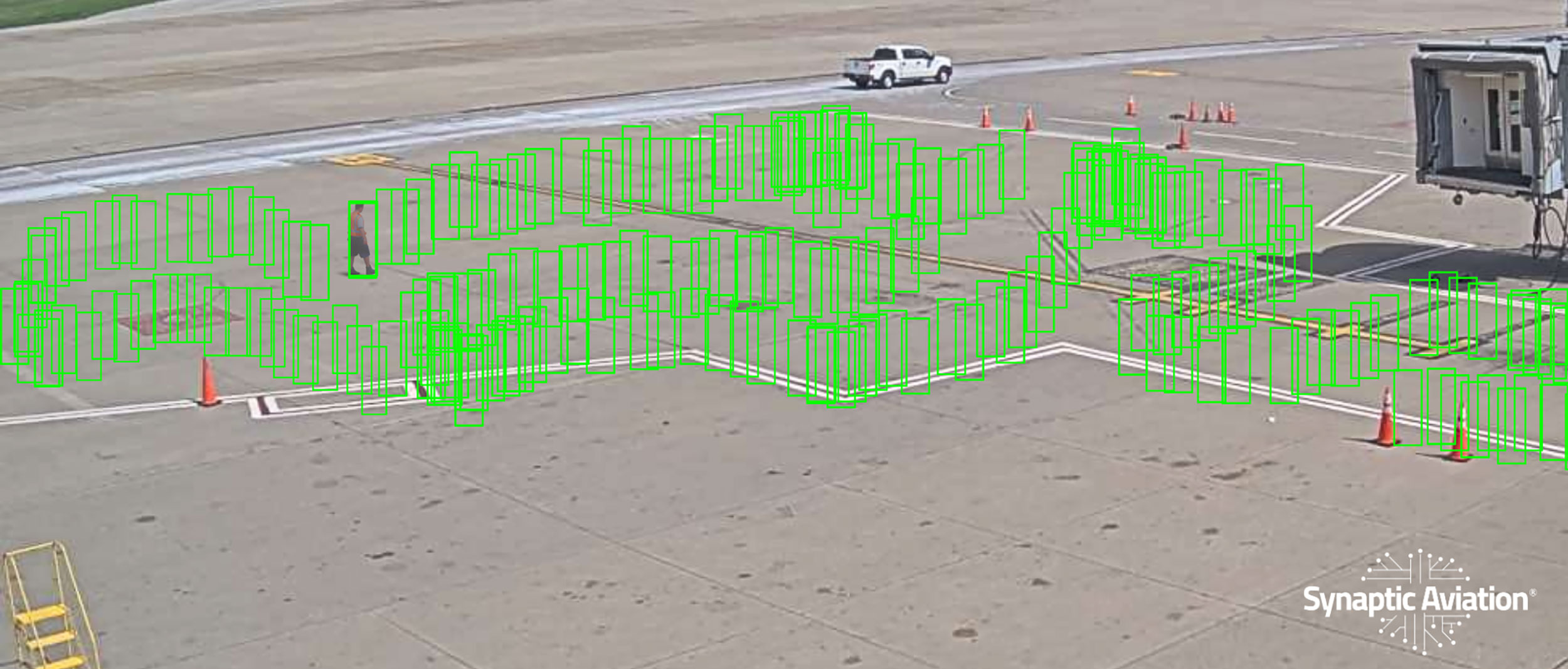
Every aircraft turnaround begins with a critical safety measure: the Foreign Object Debris (FOD) walk. This routine inspection, conducted by ground personnel, plays a vital role in ensuring aircraft safety, protecting equipment, and maintaining operational efficiency.
Why FOD Walks Matter
Foreign Object Debris refers to any misplaced item on the airfield — from plastic wrap and baggage tags to tools, zip ties, or even soda cans. While seemingly insignificant, these objects can pose serious risks. Jet engines can ingest debris, leading to millions of dollars in damage, unexpected maintenance, grounded flights, and in extreme cases, serious safety incidents.
The risk isn’t limited to engines. Aircraft components such as wings, fuselage panels, and landing gear are often constructed from lightweight composite materials. Though engineered for strength and efficiency, these materials are susceptible to damage from contact with heavy ground equipment or loose debris. A single missed item on the ramp can trigger cascading operational disruptions.
While FOD walks remain a frontline defense, they rely entirely on human consistency, visibility, and timing. This is where artificial intelligence and computer vision offer a transformative advantage.
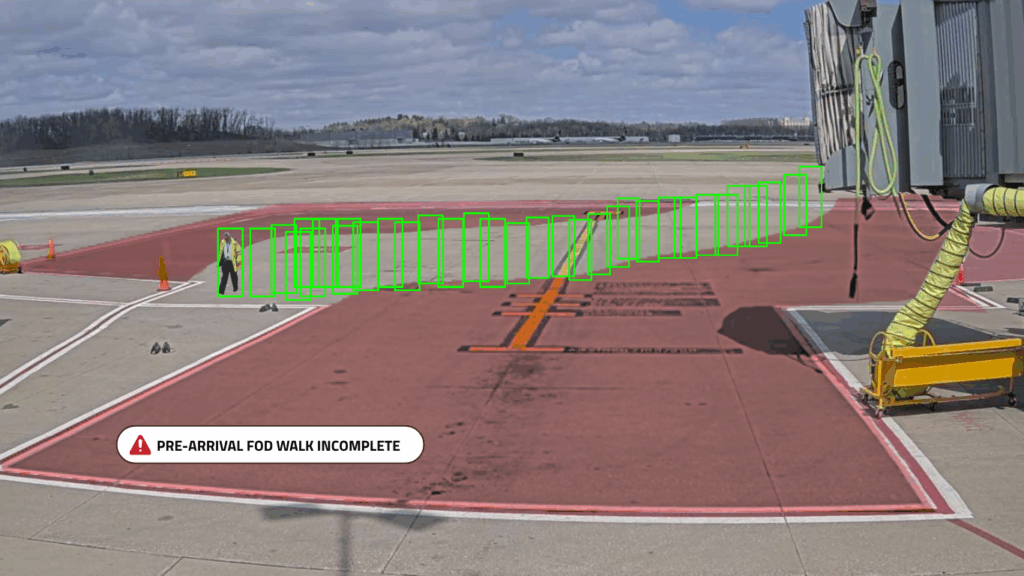
AI-Detected Safety Alert: Synaptic Aviation’s technology issues real-time alerts when the pre-arrival FOD walk is incomplete, helping prevent risk before the aircraft arrives.
How AI Strengthens FOD Walk Protocols
Synaptic’s AI-powered platform doesn’t just monitor ground operations; it enhances them. By tracking patterns across the aircraft operating envelope, our system can instantly flag potential FOD risks through real-time alerts, giving ground teams immediate visibility into emerging hazards. Whether it’s debris in an unsafe zone or procedural gaps during a turnaround, the platform acts as a second set of eyes. By tracking patterns across the aircraft operating envelope, our system can:
– Detect when and where FOD walks are completed
– Identify areas where they’re being missed or rushed
– Monitor team performance in real time
– Surface anomalies or recurring problem zones on the ramp
The result? More accountability, fewer blind spots, and a proactive approach to safety — before the aircraft ever leaves the gate.
Safety + Efficiency = Smarter Ops
Airlines and airports are under constant pressure to reduce costs without compromising safety. FOD damage alone is estimated to globally cost up to $22.7 billion dollars in current U.S. dollars. With AI, operators can gain visibility into the most preventable risks and start turning that cost into savings.
Whether it’s ensuring the walk gets done effectively or catching when it doesn’t, AI adds a second layer of vigilance. And in aviation, that can make all the difference.
Want to see how AI can keep your ramp cleaner, safer, and more efficient? Let’s talk →